


















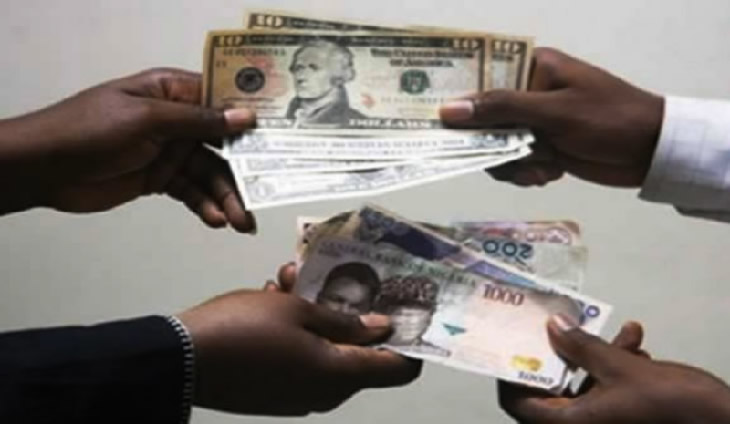
Parents and numerous Nigerian students studying overseas are expressing distress over escalating tuition fees in the wake of the steep depreciation of the naira against major foreign currencies, such as the dollar and pound.
For aspiring students planning to pursue education abroad, the unfavorable exchange rates between the naira, dollar, and pound are exacting a heavy toll, affecting both students and their guardians who bear the burden of covering expenses like ticketing and school fees.
In June 2023, the Nigerian government eliminated the rate cap in its official foreign exchange market, permitting market forces to determine the true value of the naira. This move resulted in the devaluation of the naira, with the national currency plummeting from 471/dollar to 750/dollar and 589.4/pound to 957.2/pound in July 2023. Subsequently, as of January 24, the currency has further dropped to 887/dollar and 1133/pound.
At the parallel market, where many individuals fulfill their forex needs, the local currency traded at 1,420/dollar on Friday. Meanwhile, on the Investor and Exporter Window, the value stood at N1,455/$ as of Wednesday.
The substantial depreciation of the naira has triggered a surge in the costs associated with relocation, including heightened school fees, visa fees, and more, impacting the financial plans of students and their families.
Several students have voiced their grievances, citing the challenging impact of the weakening naira against foreign currencies. Moyosore Salami, a Nigerian student in the UK, lamented the dramatic increase in the pound’s exchange rate, noting a significant rise from N680 to N1,970 in a short span.
Seth Akande, a Nigerian student in Canada, expressed frustration over the unpredictable fluctuations, making it difficult to plan for expenses. The devaluation of the naira has compelled some students to reconsider their studies abroad, with some facing admission hurdles and others struggling to meet the escalating costs.
Parents are also grappling with the financial strain, with one mentioning the mental toll of paying for the current semester’s fees and the challenges in sending money to their children abroad. The rising costs have led some Nigerians to sell their properties and students to drop out of school.
Industry experts, including travel agents and consultants, emphasize the impact on processing fees and the overall expense of international travel. Flight costs to destinations like the UK have surged, while the reliance on the black market for currency exchange further compounds the financial challenges faced by travelers.
Despite the soaring costs, the President of the National Association of Nigerian Travel Agencies notes that the demand for international travel remains high, reflecting a resilient pursuit of education abroad, even amid the economic challenges posed by the falling naira.

