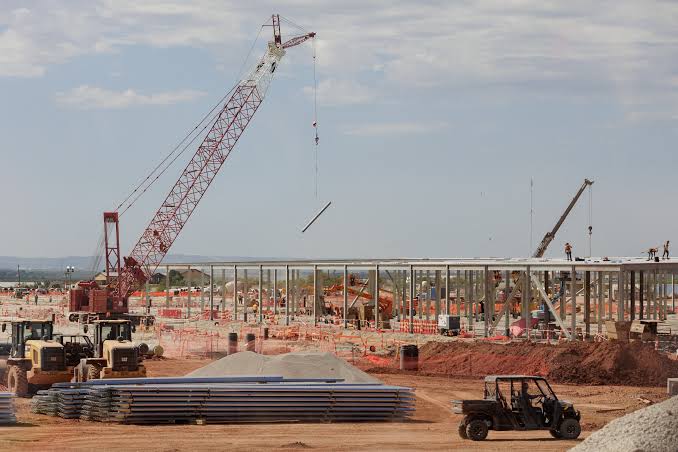

















Concerns grow over whether projected electricity demand from artificial intelligence (AI) reflects actual infrastructure needs
Texas has paused plans to provide additional electricity connections to some data centre projects amid growing concerns over whether projected demand from AI and cloud computing matches actual infrastructure needs.
The development is part of a wider debate in the United States over the rapid expansion of data centres and whether some of the huge electricity requirements being projected by technology companies are based on genuine future demand or inflated estimates.
Data centres have become critical to the development of artificial intelligence, cloud computing and other digital services. However, the facilities require large amounts of electricity to operate the advanced computer systems needed to process and store massive volumes of data.
The rapid growth of AI has triggered a global race among technology companies to build larger and more powerful data centres capable of supporting AI models, machine learning systems and other data-intensive applications.
Technology companies have consequently increased spending on computing infrastructure as demand grows for AI-powered services, cloud storage and other digital tools.
However, energy providers and regulators are now scrutinising whether all the planned data centre projects will eventually require the huge amounts of electricity initially requested.
Industry officials have raised concerns that some projected electricity demand from data centres may not materialise as quickly as expected.
The situation has led to the emergence of the term “ghost demand”, referring to large electricity requests linked to data centre projects that could be delayed, scaled down or eventually cancelled.
The issue is putting pressure on governments and energy companies to carefully assess future electricity requirements while ensuring that investment in AI and other emerging technologies does not put unnecessary pressure on power infrastructure.
The United States has recorded a significant increase in data centre construction as technology companies compete to expand infrastructure for artificial intelligence and cloud computing.
Texas has emerged as one of the major destinations for such investment because of its business-friendly environment and access to energy resources.
The state’s decision to review electricity requirements for data centres highlights the growing challenge facing policymakers as they seek to support technological innovation while maintaining grid stability and controlling infrastructure costs.
The debate is expected to intensify as technology companies continue to increase investment in AI and governments try to determine how much electricity will actually be needed to power the next generation of digital services.

Texas halts data centre power plans as US questions ‘Ghost’ AI demand