














Online users debate leadership image, public perception and political optics following viral video
A recent interaction between an Oyo State politician and a university student has sparked reactions on social media, with Nigerians debating leadership image, public perception and the importance of appearance in political engagements.
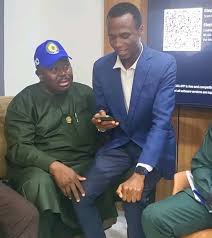
The incident, captured in a video that has gone viral online, showed the politician interacting with a student during an interview session. Attention was drawn to the encounter after viewers noticed the unusual seating arrangement between the politician and the student.
The video has generated mixed reactions, with some social media users criticising the politician and describing the conduct as inappropriate for a public figure.
Others, however, argued that the reaction may have been influenced largely by the way the brief video was presented online, rather than the full circumstances surrounding the encounter.
Supporters of the politician said the interaction occurred during a casual student engagement programme, insisting that the incident had been taken out of context because of the short clip circulated on social media.
The controversy has since shifted beyond the incident itself, with Nigerians discussing how the actions of politicians are increasingly scrutinised in the digital age.
For public figures, seemingly ordinary gestures, photographs and short video clips can have a significant impact on public perception. An attempt to appear friendly and accessible can quickly become controversial when captured and shared online without the full context.
Some social media users also stressed the need for politicians and their communication teams to exercise greater caution during public engagements, noting that short video clips can reach thousands of people within minutes and generate interpretations that may differ from the original intention.
The development reflects the growing influence of social media on Nigerian politics, where online conversations increasingly contribute to shaping public opinion and the image of political leaders.
Beyond the particular incident, the debate has once again highlighted the importance of political optics and how public figures manage their conduct and communication.
As political activities gather momentum ahead of future elections, politicians are likely to face increasing scrutiny not only over their policies and programmes but also over their public interactions and the images they create in the eyes of the electorate.

Oyo Politician’s interaction with student sparks debate on social media