













The political support movement combined calls for continued support for President Bola Tinubu with grants for farmers and small-scale business owners in the Abuja community.
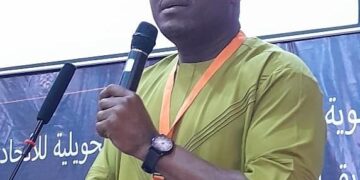
For residents of Gui Community in Abuja’s Federal Capital Territory, Monday offered an opportunity to gather, listen and speak about issues affecting their community as a political support movement brought its grassroots engagement and empowerment campaign to their doorstep.
The Relax Tinubu Is Fixing Nigeria movement, popularly known as RTIFN, held a town hall meeting with residents and community stakeholders, combining political mobilisation with an empowerment programme aimed at supporting farmers and small-scale business owners.
The engagement was hosted by RTIFN’s Secretary and Chief of Staff, Ambassador Audu Eleojo Obaje, alongside the organisation’s Director of Administration, Ms Miriam Afomachukwu Okonkwo.
For the organisers, the meeting was intended to create a direct channel between the movement and people at the grassroots. Residents were given an opportunity to raise concerns, while representatives of the movement discussed government initiatives and offered their interpretation of the Tinubu administration’s programmes.
Beyond the discussions, the meeting also produced direct support for some members of the community, with grants distributed to selected farmers and small-scale business owners to support their livelihoods and economic activities.
The empowerment programme was funded by RTIFN’s Directorate of Town Hall Engagement and Special Duties, headed by Hajiya Farida Deborah Ibrahim.
Calls for patience and continued support
Addressing residents, Ibrahim urged members of Gui Community to remain patient and continue supporting President Bola Ahmed Tinubu’s administration.
She stressed that sustained effort and patience were necessary for the country to achieve progress and prosperity. Her remarks reflected one of the central themes of the engagement: the call for citizens to continue supporting the administration while its programmes and reforms are being implemented.
RTIFN’s Director-General, Hon. Ahmed Bala, also appealed for continued support for the Tinubu administration.
He said Nigerians should give the President an opportunity to complete the programmes and reforms initiated by his government, calling for support for a second term.
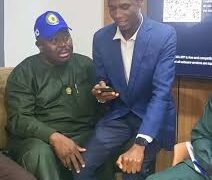
The political nature of the gathering was further demonstrated by the presence of members and supporters of the movement, including the Deputy Director of the City Boy Movement, Hon. Favour Abayomi, alongside members of the RTIFN leadership.
Taking grassroots concerns beyond the community
Beyond the political appeals, the engagement was also presented as an opportunity to listen to residents, gather first-hand information about the challenges confronting the community and communicate those concerns to the relevant authorities for possible intervention.
In grassroots communities, concerns surrounding livelihoods, infrastructure, economic opportunities and access to government programmes often intersect with everyday life. Town hall engagements can therefore provide a channel through which residents make their voices heard.
According to the organisers, the RTIFN campaign is anchored on three broad areas: engaging Nigerians, informing them about government initiatives and empowering people at the community level.
The Gui gathering consequently represented more than a political meeting for the movement. It was also presented as an opportunity to establish a closer connection with residents and understand the issues shaping their daily experiences.
The engagement formed part of the movement’s strategy to take its activities beyond established political centres and create a presence within local communities.
The test of lasting impact
As with any grassroots intervention, however, the lasting significance of the engagement will depend on what happens after the gathering.
For the farmers and small-scale business owners who received grants, the immediate question will be how the support translates into improved economic activity and stronger livelihoods.
For residents who raised concerns, the next measure will be whether those issues are followed up and brought to the attention of the relevant authorities.
For RTIFN, the challenge will be to sustain the communication and engagement it says are central to its grassroots philosophy.
The political message at the meeting was clear: RTIFN is seeking continued grassroots support for President Tinubu and his administration.
Alongside that message was an attempt to listen to residents, provide assistance to selected beneficiaries and establish a channel through which community concerns could be communicated.
At Gui Community, the meeting brought political advocacy, community dialogue and economic empowerment together in one setting—creating a conversation between residents and the movement seeking their continued support.
Envision Nigeria

